
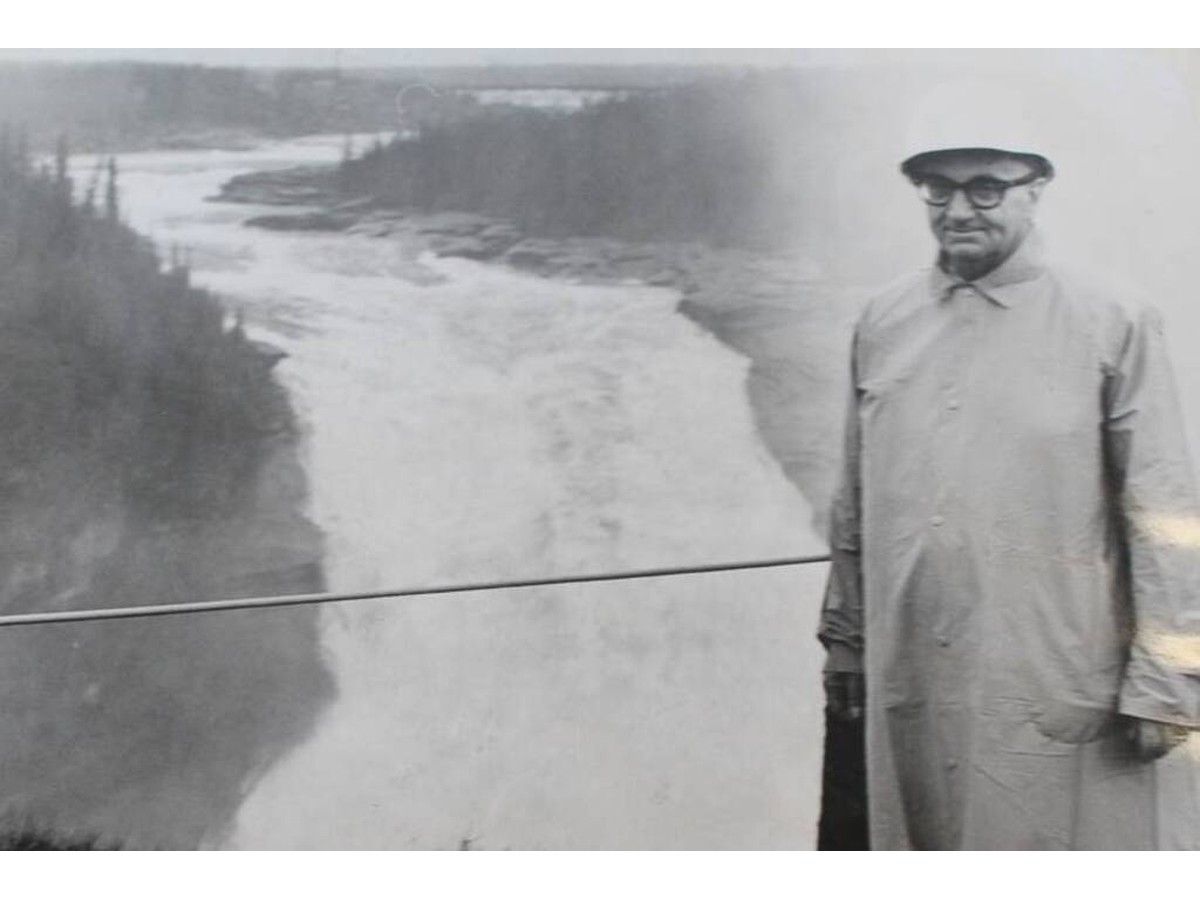
However good or bad the agreement is on the table between Newfoundland and Labrador and Quebec relating to the Churchill River, it’s going to be a hard sell in this province — and some say it’s due to the historical disdain held for the original 1969 contract.
A Memorial University political scientist, Russell Williams, called the extent to which the public perceives the ’69 deal as being bad “unique” because he can point to similar deals from the same time that were also considered bad but don’t hold the same level of public hostility.
“Because of the historic sense that we’ve been done-over in the past, I think it’s always a potentially popular position to simply say, we shouldn’t do this deal,” said Williams.
WHY IS IT CONSIDERED BAD?
The Upper Churchill contract was signed by then premier Joey Smallwood in May of 1969 and over its 40-year term, which was renewed in 2016 for another 25 years, saw NL power sold to Quebec at a locked-in rate of 0.2 cents per kilowatt-hour.
Many have called the agreement “lopsided” and one that “shafted” the province.

HOW HAS POLITICS PLAYED A ROLE?
Williams said while, at the time, the NL government had a “cavalier attitude” toward the agreement and likely weren’t thinking 40 years ahead, he believes modern politics has played a bigger role in fueling the grievances people have with the ’69 deal and Quebec.
“We had the whole Danny Williams era in which Quebec was really demonized for their side of that equation,” said Williams.
“That’s why it’s hard now to change our tune and say … we’re going to be partners, and we’re going to develop these resources jointly. That’s a hard change of direction to hit people with.”
Even in the current political landscape, Williams said, the Liberals are being cautious when they once wanted to push ahead, and the Progressive Conservatives (PC), who are now in power, are pushing ahead when they originally wanted to be cautious.
He said it’s because both parties know it’s “good politics” to attack the deal because “people are aggrieved about the historic arrangement.”
“A whole generation of politicians in Newfoundland and Labrador have really leaned into that … rather than saying, ‘Well, maybe it wasn’t a bad deal, or maybe it wasn’t a good deal,’ but in 2040 we have a chance to hit reset,” said Williams.
HOW HAS IT IMPACTED DEALS, PEOPLE?
But partisan politics getting in the way of these deals is actually where the public’s frustration stems from, at least that’s what Stephen Tomblin, a retired political science professor, thinks.
Tomblin said looking at the Upper Churchill file, there’s been a history of bad decision-making on the part of provincial governments. Muskrat Falls, in particular, he added, was supposed to fix the province’s problem with Quebec but instead “made things worse.”
Cape Breton Eagles to file complaint with QMJHL after on-ice incident against Newfoundland Regiment
 Cape Breton
Promising football player from Halifax dies at U.S. boarding school
 Halifax
RCMP charges man following numerous crimes targeting communities in southwest Nova Scotia
 Annapolis Valley
Bobcat makes unexpected visit to Dartmouth backyard
 Halifax
Fundraiser started to support family of Antigonish County farmer who died in tractor collision
 Nova Scotia
He said in trying to advance a new agreement, governments have not asked the right questions — how to build the infrastructure for energy, its economic impact, and what the people want — and that’s what angers Newfoundlanders and Labradorians about these deals, and how they’ve tried to be corrected.
“People want to figure out how we move beyond that, and how do you fix it?” said Tomblin.
Giving people of the province a voice on a new Churchill Falls agreement, through a referendum, is something Premier Tony Wakeham built his 2025 election campaign on.
But he walked back the promise once his Churchill Falls deal was announced in August, offering a special debate in the House of Assembly instead.
Allowing residents a vote is something Wakeham appealed to, said Tomblin, and mobilized on to help him come into power.
Now the public feels “played” in his choice not to follow through.
“One of the ways he was going to fix it, he was going to have direct, more direct democracy, but then of course he lied,” said Tomblin.

CAN THE PUBLIC’S ATTITUDE BE CHANGED?
Tomblin said you can tie Wakeham’s broken promise back to the narrative of NL being screwed over in the ’69 agreement because it’s the way the people feel now.
Like Williams, Tomblin said it’s difficult to go from one stance to a completely different one and bring the people with you, especially when those people have an “entrenched stereotype.”
“They need to do things to engage and make the public understand and recognize what the different solutions or options are,” said Tomblin.
Without an emphasis on public policy, Tomblin said it will be difficult for government to change public attitude toward any type of new hydro electricity deal.


 Pinterest
 Tumblr