
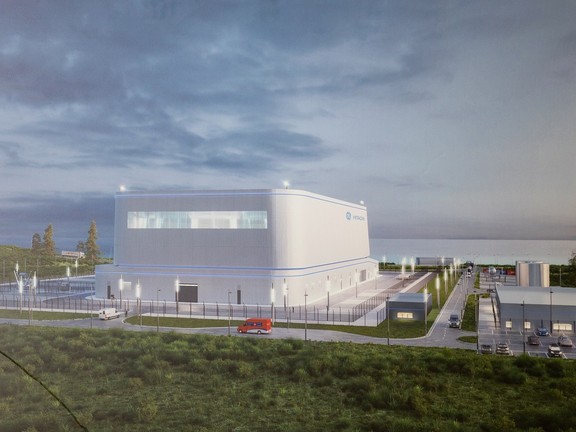
The Peace Regional Energy Alliance says it is time to start the nuclear conversation for Alberta. Eight municipalities in Alberta say it is time to have a serious conversation about northwestern Alberta a new North American centre for nuclear energy development.
The PREA believe the region has the land, the load, infrastructure and industrial experience to support this emerging sector.
The alliance this week released a position paper declaring its support for the responsible advancement of nuclear energy and calling on governments and industry to view the Peace region as a potential host for future projects and a nuclear supply-chain hub. The paper says the region should position itself early as Alberta explores new electricity generation options and growing industrial power demand.
Jake Pastore, spokesperson Peace Regional Energy Alliance (PREA), said the document is the result of months of discussion among municipal leaders representing eight municipalities across northwestern Alberta.
“We’re saying we’re putting our hand up and saying we’re ready to start these discussions,” he said Tuesday.
“For the last couple of years we’ve been talking about diversification projects, and over the past six months we felt it was important to come out publicly with a position.
“When companies like Energy Alberta started looking at this area, we felt it was important to let the provincial government know where we stand as a region.”
Rather than endorsing a specific project, Pastore said PREA wants the Alberta Peace region recognized as a willing partner capable of hosting future nuclear development and business streams supporting and working in it.
“We have the land, the water, the industrial base and the potential supply chain to become a nuclear hub. We want to be ready if that opportunity comes.”
The alliance points to long-established nuclear communities such as Bruce County and Port Hope in Ontario as examples of how host regions have built expertise, employment and supporting industries around the sector over 60 plus decades.
“Those communities have been operating safely for more than 70 years,” Pastore said. “There’s a lot we can learn from best practices already established in Canada.”
He stressed the proposal is about beginning a long-term planning process rather than expecting immediate construction.
“This isn’t something that happens overnight,” he said. “These projects take years and years. Our message is simple: let’s start the conversation.”
PREA is also talking a potential regional nuclear expo bringing industry experts, governments and residents together to discuss modern reactor technology, regulatory requirements and lessons learned from existing Canadian facilities.
Pastore added the PREA believes a regional strategy could create opportunities extending beyond electricity generation. Alberta’s grid is expected to require significant new generation capacity over the coming decades as population grows, industrial development expands and large electricity users such as data centres increase demand.
Such as the proposed facilities like Wonder Valley, south of Grande Prairie on its full buildout is – 7.5 gigawatts or 7,500 megawatts.
“The entire province of Alberta as a whole generates and consumes approximately 10 gigawatts or 10,000 megawatts. The Wonder Valley are proposing likely to use as much as three quarters of the whole province,” says Kennedy Halvorson, a conservation specialist with the Alberta Wilderness Association.
MORE on the POWER of ALBERTA: PEACE DATA CENTRE
PREA’s membership includes the counties of Northern Lights, Northern Sunrise and Peace No. 135, along with the Town of Peace River and the communities of Grimshaw, Berwyn, Nampa and Manning.
“Our region has powered Alberta for generations,” Pastore said. “We’re saying we’re ready to help power the future too. If Alberta is going to move forward with nuclear, we believe the Peace region should be part of that discussion from the very beginning.”